Originally published at: https://slowtwitch.com/triathlon/yes-no-maybe-what-gear-do-you-really-need-for-your-first-triathlon/
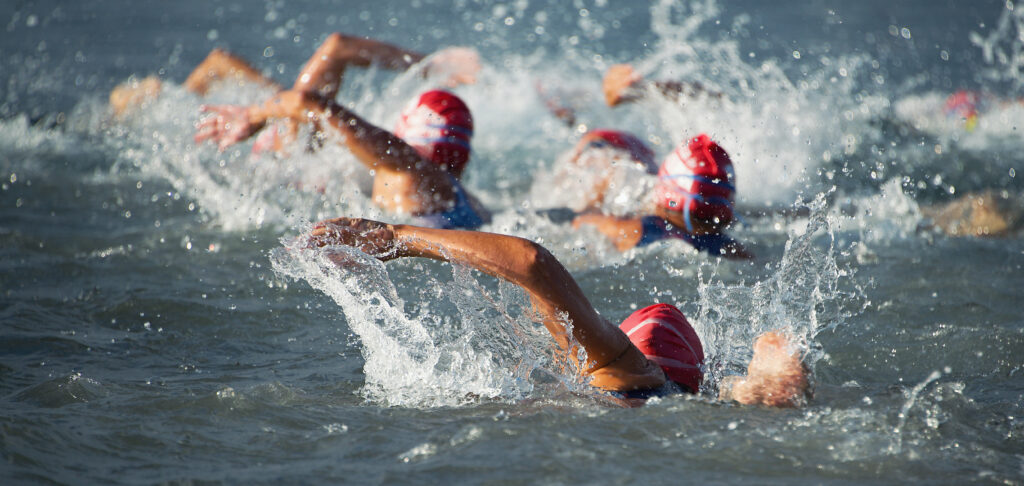
When you are first getting started in triathlon, it can be pretty overwhelming when you see all of the gear and equipment that your fellow athletes use. You have to cover three sports and get yourself ready to train and race in each of them. The costs in triathlon can add up pretty quickly, and even if you have the money to buy any gear you want, it doesn’t mean you necessarily want to spend it. To help you in your triathlon journey as you prepare for your first season of racing, here are a few pieces of gear, and we suggest whether they are non-negotiables, or items you can pass on for the time being.
Do You Need a Tri Bike? No.
If you Google “triathlon,” you’ll see dozens of photos of elite athletes on sleek, fast and expensive triathlon bikes. Any video you watch on the sport will likely feature these rides. When you go to a triathlon store or bike shop, you’ll be directed to the section of the store with these frames. Everywhere you look in the sport before arriving at a race will show you that you need a triathlon bike to be a triathlete.
Once you show up to your first race and wheel your bike into the transition zone, however, you’ll see that you don’t need anything fancy. As long as your bike has two wheels, air in its tires and a chain, you’ll be good to go on race day.
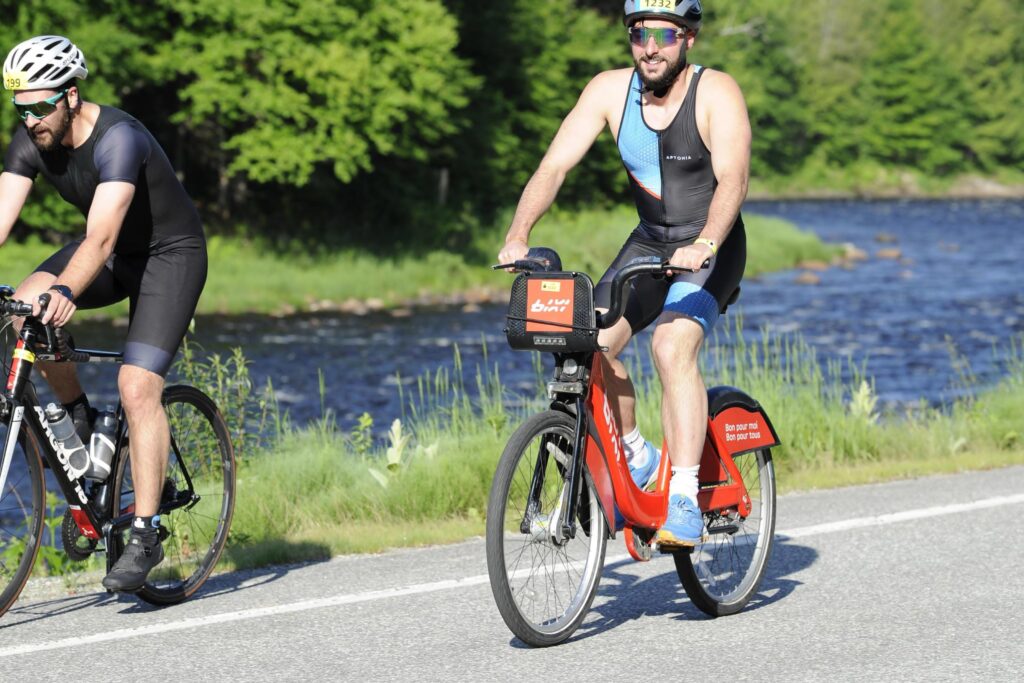
People have literally ridden bike-share bikes (from companies Lime and Bird) in triathlons. Will you go faster on a triathlon frame than on a road, mountain or any other type of bike? Yes. But there’s no need to jump the gun before your first race and buy a tri bike right away. Instead, test the waters with whatever bike you can get your hands on. Borrow one from a friend, buy a cheap ride on Facebook Marketplace or, if you’re racing in a city, grab a Lime bike for the morning.
Then, once you finish the race and know if triathlon is something you would like to pursue more seriously, you can think about upgrading to a more expensive and more aero design.
Is a Wetsuit a Must-Have? Maybe.
This depends on a number of factors. Firstly, when are you planning to race? My first season of racing, I only wore a tri suit. My first race was at the start of July, and my last was in August, so the lakes I swam in had a couple of months to warm up. (Even so, I was still very cold waiting in the water for the race to start.) If you’re racing in the spring, the water could be pretty chilly and, even if the air is warm, you might set yourself up for a horrible day by starting your race in such a cold state.
Secondly, are wetsuits mandatory at the race(s) you chose? If you’re racing in the springtime, or in a naturally and perpetually cold body of water, race directors may make the swim wetsuit-mandatory. If you don’t want to buy a wetsuit, you need to look into the race rules to be sure that you don’t show up in the big day only to be turned away at the swim start.
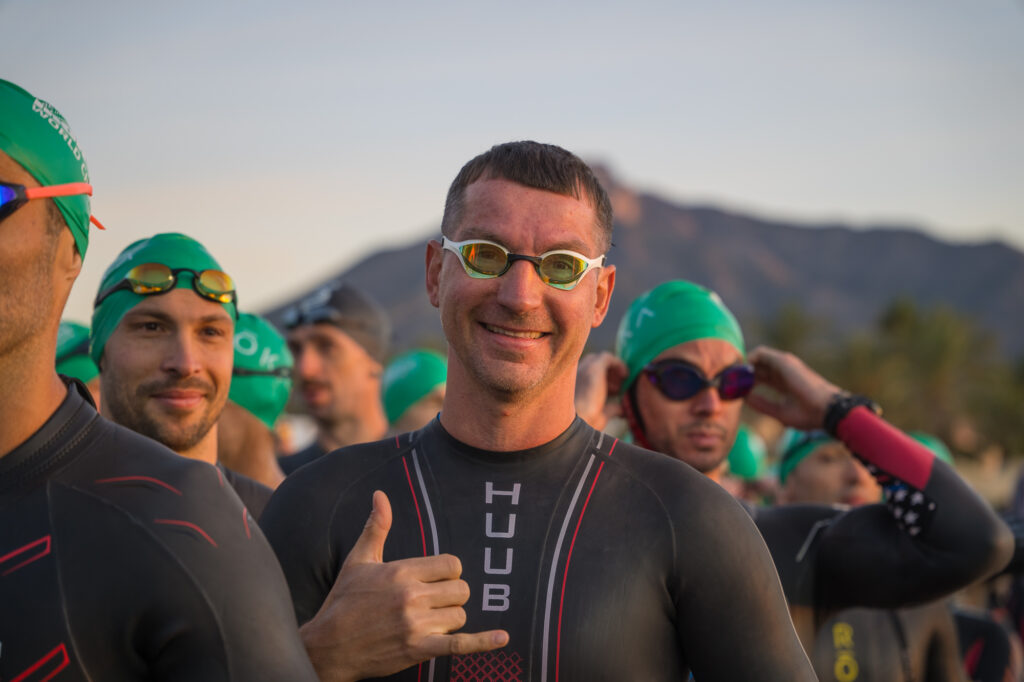
Thirdly, how confident are you in the swim? Wetsuits provide a lot of buoyancy. If you’re new to swimming — especially in open water — the extra float you’ll receive from a wetsuit can provide a massive benefit, not only to your overall swim time, but also to how secure you feel in the water. Even if the water is going to be warm enough to swim in without a wetsuit, wearing one might give you peace of mind that will stay with you throughout the entire swim.
What About a GPS Watch? No.
Is a fancy watch that tells you how fast you’re going, how far you have travelled in a workout, how quickly your heart is beating, how much sleep you got last night and so many other metrics and bits of information fun to have? Yes. It’s cool, there’s no denying that.
Is a fancy watch that does all of these things necessary? No. Not at all. If you want something to measure time, you can go to the dollar store and get a stopwatch for $10. That way, you’ll be able to time your workouts in training. Come race day, you can use it to time your splits.
Using a GPS watch is not going to be the reason you finish your first triathlon. Using a stopwatch, or wearing no watch at all, is not going to be the reason you don’t finish, either. Buy one of these watches if you would like to, but don’t let anyone convince you that you have to have one.
Are Proper Running Shoes Necessary? Yes.
You don’t have to splurge on carbon-plated, record-setting shoes. You don’t need triathlon-specific runners. You do, however, need to buy good shoes. Shoes that fit, shoes that are made for distance running and shoes that won’t leave you injured after training or racing in them.
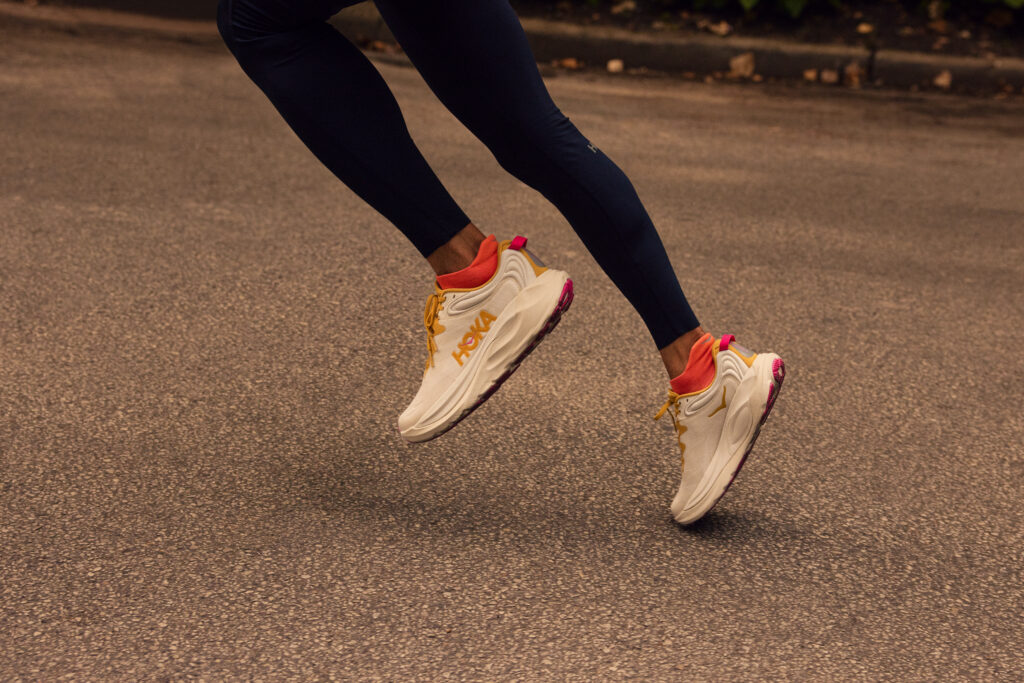
Too many people run in old, worn-out running shoes that leave them susceptible to injuries. Or maybe they think that gym or training shoes are good enough for running. Don’t make these mistakes. Go to a real run shop, speak to someone experienced, and find the right shoes for you. This will keep you running well and keep you healthy, and it may help you run faster, too.
Getting Faster and Becoming Competitive
Your first race is an opportunity to test the waters of triathlon. This is an addictive sport, so the odds are good that you will fall in love with it after your first race. But there’s always the chance that you will be a one-and-done athlete, and there is no shame in that. Triathlon is fun, but it isn’t for everyone. That’s why you shouldn’t feel pressured to buy every piece of gear right away.
If you do fall in love with the sport and decide that you want to get more serious about it, then that is the time to look into more gear. You might want to get a triathlon bike so you can be as aerodynamic as possible and keep up with the fastest athletes in the race. A GPS watch could help you dial in your training. A wetsuit’s ability to keep you warm might become secondary to its helpfulness in cutting down your swim times.
As you look to get faster in the sport, you will likely need to invest a bit more money in top-end gear. Until speed and race results become the main focus for you, however, you don’t need to buy the best of the best or most expensive products.