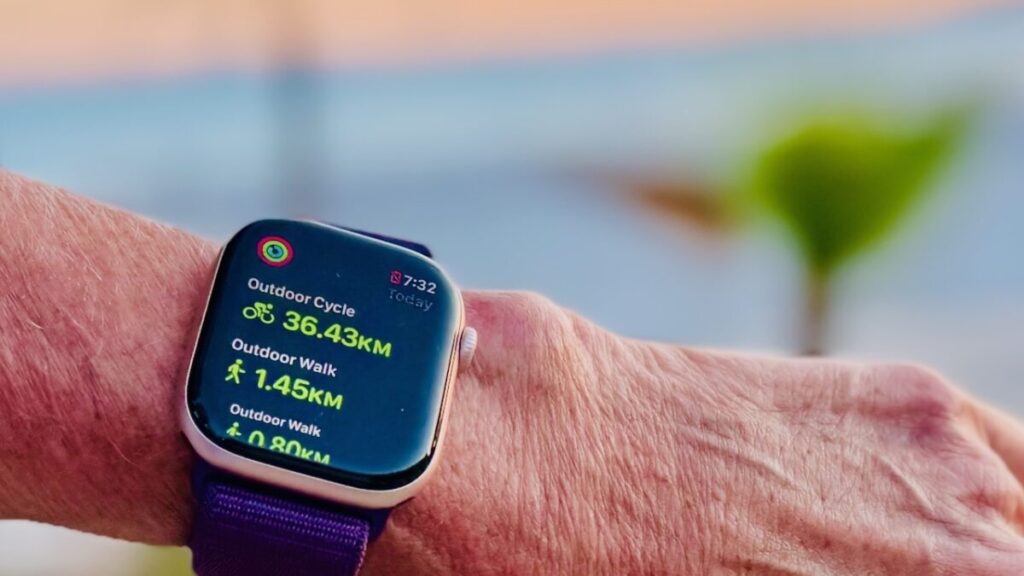
 Apple has come a long way with the fitness-tracking side of their watches. Photo: Kevin Mackinnon
When you’re first getting into triathlon, there is a lot of gear to buy. You of course need the essentials (like goggles, a bike, running shoes and so on), but once you’ve got those covered, you can move on to the extras — a list of equipment that includes GPS watches. These are by no means necessary, but they can seriously help your training and racing as you dial in your pacing, heart rate goals and other metrics.
Like so many products these days, however, there are dozens upon dozens of watches and other wearables on the market, making it difficult to determine which is the best option for you. If you’re unsure of which you should buy, here is a short guide to help you find the right watch for you and your training needs.
You Need Good GPS
First and foremost, you’ll likely be looking for a watch that has a good GPS system. It is wildly annoying to be ready for a run only to have to wait for your watch to acquire a GPS signal. Some watches can have such poor connectivity that you’ll be well into your swim, ride or run before the signal links up. Companies are getting better and better at building watches that connect seamlessly, but you’ll want to do your research and look into the different options and their GPS-related reviews before pulling the trigger on a specific model.
Also along the lines of GPS is the tracking of your workouts. You’re buying a watch so you can see how fast and far you’re travelling in any given sport, but to this day there are still plenty of watches that glitch out and say you’re going way faster, way slower, way farther or way shorter than you actually are.
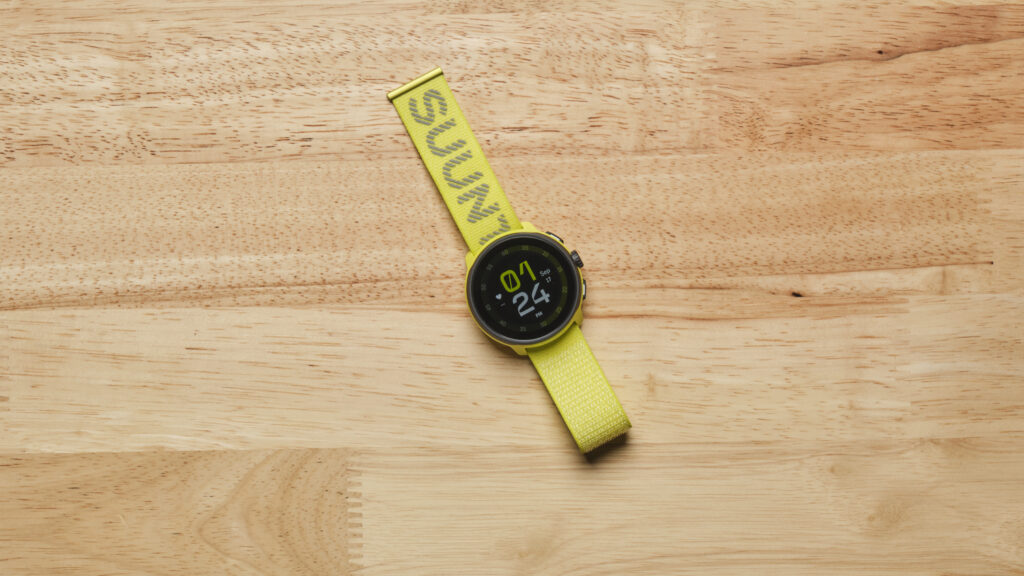 Suunto has a long lineup of smartwatches that triathletes will love. Photo: Suunto
The fastest swim recorded on my Strava is listed as a one-mile open-water workout during which I reportedly averaged a pace of one minute per 100 metres over the course of the journey. I have unfortunately never broken a minute for 100 metres in the pool, let alone during a mile-long open-water swim, so I knew something was up with my watch when I got out of the lake and saw my time. (Either that or I turned into Katie Ledecky overnight and didn’t realize it.)
Again, watch manufacturers are only getting better at developing solid and reliable GPS technology, but there are still brands and models that are sub-par. If GPS is important for you (which we have to imagine is the case if you’re looking for a watch for triathlon), make sure you find a company that is known for good tracking capabilities.
Think of the Battery
Battery life is a huge focus for watch companies, and it should be near the top of your priority list, too. Some watches need to be charged daily, while many others can last days or even weeks on a full charge. Before you buy a watch, think about your training schedule, what you’ll need to use the watch for, how many hours a day you’ll expect to use it and therefore how much battery life you’ll need.
In most cases, you’ll find a watch that last days on end on a single charge, so even if you’re doing ultra-distance races you’ll be covered and you won’t have to worry about your watch dying on you in the middle of an effort. In recent years, companies that have traditionally released watches with poor batteries are upping their game.
Getting more specific, I’m talking about the Apple Watch. Earlier iterations of this wearable would die after a day of wearing it at work and a single workout. While the latest versions of the Apple Watch still have much shorter battery lives than watches from brands like Garmin or Suunto, Apple is improving. The most-recently released Apple Watch Ultra 3 can last up to 42 hours on a single charge in normal use and around 20 hours in its GPS and workout-tracking mode.
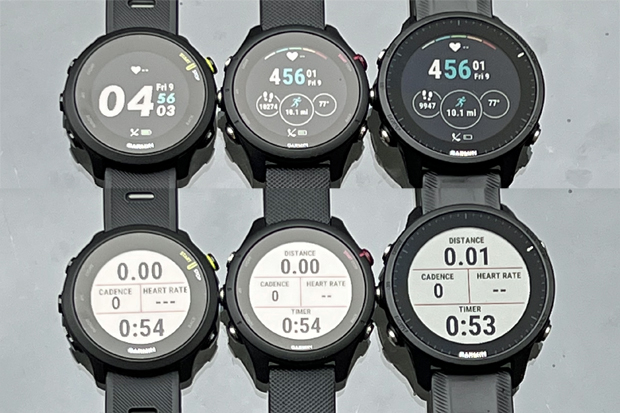 Garmin has long been a giant in the world of sport watches. Photo: Garmin
These days there isn’t really a wrong answer when it comes to picking a watch based on battery life. Some last longer than others, so you really just need to pick the one that’s best-suited for your lifestyle. The key is to look into it before so you at least know what to expect when you take the watch out of the box and wear it for the first time.
What Do You Need?
Most (if not all) sport watches will have built-in heart rate monitors, while others can also pair with external ones. Some will be able to measure your VO2 max. Almost all of them can track your sleep, and others can connect to running power meters.
The more features a watch has, the pricier it will be. A good plan before starting your search for a watch is to determine your budget and decide what are must-haves for you. From there, you can eliminate any watches with superfluous features, helping you cut down on the long list of available products until you find the ones that are right for you.
Other Wearables
Maybe you’ll look into the features of these many watches and realize you don’t actually need one. Instead, maybe you’ll want to go for a face-less strap, like those offered by Whoop and Amazfit, for example. Unlike smartwatches, these straps cannot give you in-the-moment data, but they still track your workouts, your everyday health metrics and your sleep.
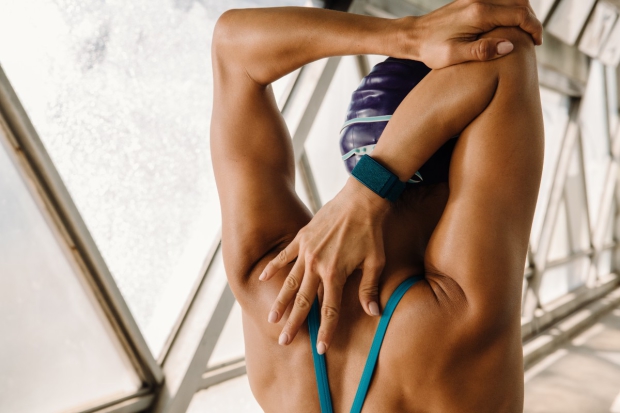 Fitness straps are great alternatives to smartwatches. Photo: Whoop
Another alternative is a smart ring. You’ve likely heard of or seen people wearing Oura rings, but there are a number of other companies that design competing products at a lower price point. Same as the fitness straps, these rings can track your body metrics, your heart rate, your sleep, your workouts and your recovery.
These tools may not be as flashy as a smartwatch, but they track what are arguably the most important metrics you can access as an athlete. Yes, smartwatches will do this, too, but if you don’t feel the need to have a screen on your wrist telling you how fast you’re going, how far you’ve travelled and more, then fitness straps or smart rings are excellent options, and they are often sold at lower prices than watches.
Up To You
At the end of the day, you need to do a bit of research before you can find the perfect wearable for you. As long as you go with a trusted brand, you really cannot choose wrong — you’ll have what you need in any option on the market. The thing is, there are certainly products that are better options for some people and worse for others. It’s up to you to decide what you need in a watch (or strap or ring), and from there you’ll be ready to train hard and track your progress the whole way.