 Photos: Kevin Mackinnon
While the favourite’s mantle is being born by Kat Matthews and Lucy Charles-Barclay, there’s another athlete competing tomorrow who’s never lost a long-distance race, and she’s another Brit very capable of being part of an all-British podium here in Roth tomorrow. Daisy Davies burst on to the long-distance race scene when she won Challenge Almere last year, going 8:30 for her first go at the distance. That was followed up by a gun-to-wire win at IRONMAN South Africa in April. A member of the Bianchi Pro Triathlon Team, Davies arrives in Roth in search of another big day as she looks to take on a couple of the world’s top long-distance athletes.
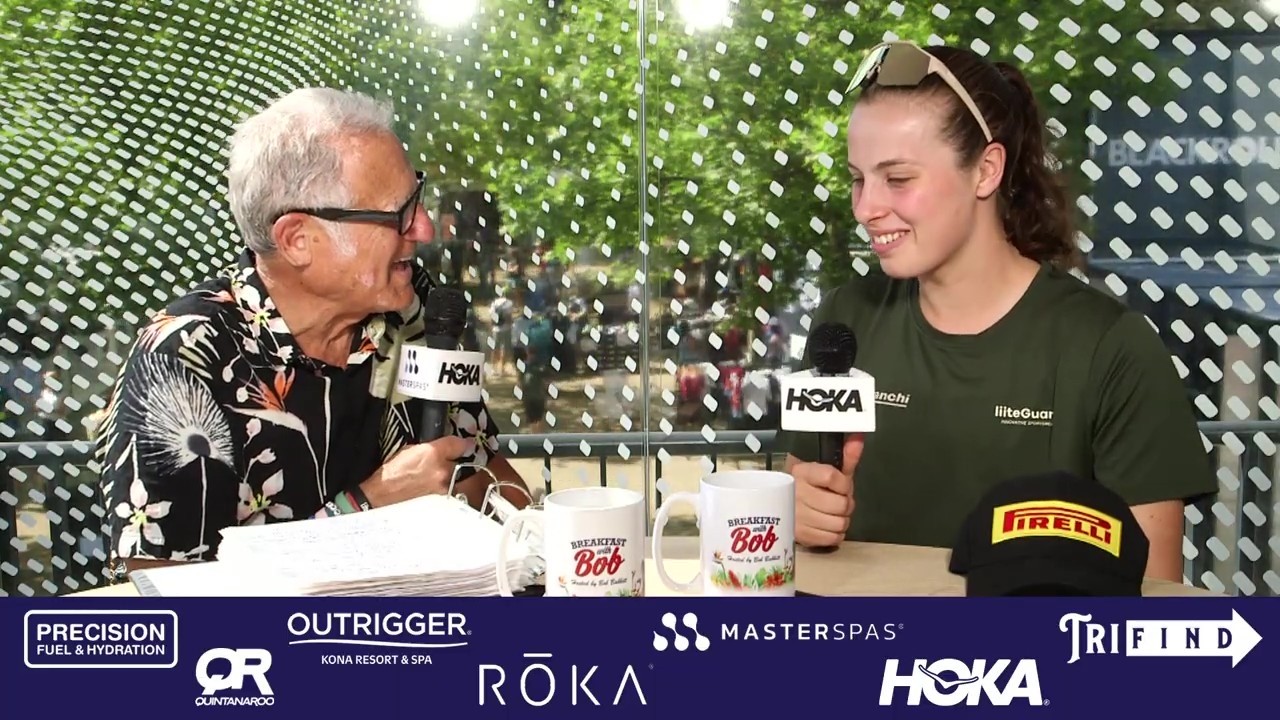
We caught up with Davies ahead of the Roth race, and also took a detailed look at her Bianchi Aquila.
Q: First time at Roth — how does it feel?
It’s amazing, really. I’ve always heard so much about the event, so to be here is really exciting, and I’m looking forward to seeing how it goes on Sunday.
Q: You’re in an interesting position here — everyone’s talking about Kat and Lucy, and then there’s you. Does it feel like that’s the way the conversation goes?
I think there’s definitely a spotlight on Kat and Lucy. I’m a bit of an unknown — people might have heard my name, but they don’t really know much about me. So it’s a good opportunity for me to race Kat and Lucy, but also to show everyone what I’m about in a stronger field. In the long-course races I’ve done so far, it’s just been me, so to actually race people properly will be a good learning experience — and a really good opportunity.
Q: Is it easy to see that as an opportunity, or is it more “holy crap, I’ve got to go up against these guys”?
A bit of both. I always want to race the best, so this is the perfect opportunity for that — but there’s definitely more nerves going into this race than in previous ones. I’m only 24, and this will be my third long-distance race, so I’m just going to enjoy it.
Q: How do you temper expectations? You’ve only done two long-distance races and won them both.
There’s no more pressure than what I put on myself, and everyone around me is supportive no matter the result. So I’ll just do the best I can, control what I can control, and hopefully get a good result at the end of the day.
Q: What does a good result look like to you?
I’ve got my eyes on a podium — we’ll see how close I can get. If I can nick that third spot, or even better, we’ll see. There’s definitely an opportunity for a British one-two-three, so if I can be part of that, that would be pretty special.
Q: What time are you hoping for?
8:15 would be quite cool, maybe a bit quicker — but we’ll see.
Q: Can you talk a bit about your background and how you got here?
I grew up in the British short-course scene — from about 13 or 14 until a year and a half ago I was still very much set on the Olympic pathway. Then I dabbled in middle distance and really found my passion in the long distances. From the middle of last year I made the decision to fully commit to middle- and long-distance racing, and I haven’t really looked back. I’m really enjoying it so far.
Q: What is it about middle and long distance that you like?
It’s such an individual race — it’s about what you can do on the day. There’s race dynamics, but nowhere near as much as in the Olympic stuff. It’s a much purer sport in terms of what you can swim, bike and run individually, rather than it just coming down to a run race, which is what short course seems to be now.
I think I just enjoy having more control over what I’m doing — I can pick the races I want to do, rather than having to hit certain selection policies to then go and race the bigger events. Now I have direct access to that. It’s definitely a lot more individual in terms of coordinating things than what you have in short course, but it’s something I really enjoy — creating my own path, I suppose, rather than following a set route. It’s been an interesting experience and journey the last couple of years, and I’m just enjoying it so far.
Q: You’re also part of the Bianchi team, which seems like the ultimate — it gives you a bit of structure but lots of freedom.
Yeah, exactly. Kona is the big goal at the end of the year, but how I get there is up to me, and they support me in that, which has been really good. The equipment I have access to is a massive step up from what I had last year, and the medical support and general knowledge behind them is second to none. It’s been a great stepping stone and learning opportunity for me this year, and hopefully it’ll take me to the next level — if I could do a Kat Matthews-style trajectory, that would be pretty cool.
Q: Talking about Kona — you’ve got Roth this weekend — what does the rest of the season look like building up to that?
I’m going to do two 70.3s and then straight to Kona, so that’ll give me five races for the year. I need to do a bit more planning around prep camps for Kona, since it’ll be my first time there, so there’s a lot to plan and learn about to get a good result.
Q: What’s it like going from a system where you were racing far more than five times a year, to five — even though those five all end up being pretty big?
In short course, I’d be racing every other weekend, so I was on the go the whole time. I’ve enjoyed having bigger blocks of training to really focus on one or two events and get the most out of myself. I thrive on consistency rather than sporadic racing, so it’s been a good change for me.
Q: Where’s home when you’re not travelling and doing camps?
I live in the southwest of England, on the Dorset–Somerset border. Still living with my parents — making use of the full fridge. We’ve got a good setup there. I’m still working part-time, and the training’s pretty good — I’ve got a swimming pool ten minutes away, and the cycling and running are decent too. I definitely thrive off being at home rather than on training camp, for most of the time.
Q: What do you do work-wise?
I do a bit of lifeguarding in the evenings. It keeps me busy, and it’s some social time too, since I train on my own most of the time — it’s quite nice to speak to a few people at the end of the day.
Q: Did you come up through a swimming background, or have you always been a triathlete?
Always predominantly a triathlete. I started off doing a bit of cross-country mountain biking, then moved into swimming a little when I was 12 or 13 — I wasn’t one of those club swimmers who’d been swimming since they were three or four. It’s a bit different to some people, but there are so many different avenues people come into the sport from now.
Q: How long have you been a lifeguard?
Since I was 16, so eight years now — same pool, same people. I quite enjoy it. There’ll come a time where I go full-in on triathlon, but I like having a bit of balance at the minute.
Q: Where do you want all of this to go, eventually?
It’s always a big question, isn’t it? I want to win Kona one day. At the end of the day, I just want to be consistently at the front — if I could get to the point that Lucy and Kat are at now, in a few years’ time, I think I’d be there. Winning races is the big motivation, but it’s about knowing what I need to work on now so that in a few years I’m consistently good — which would be nice.
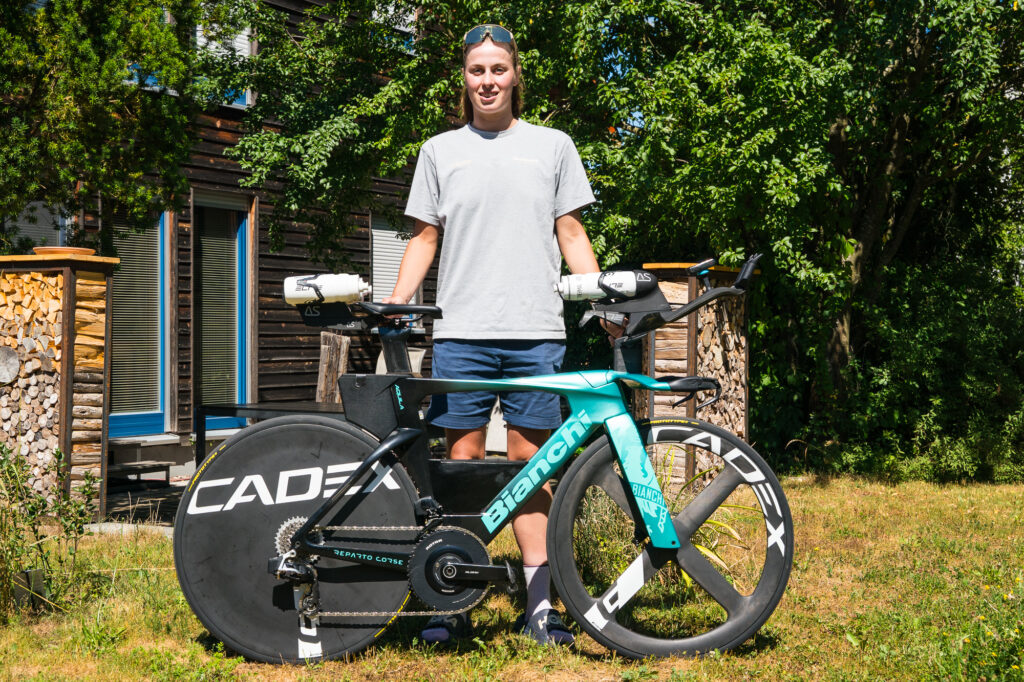
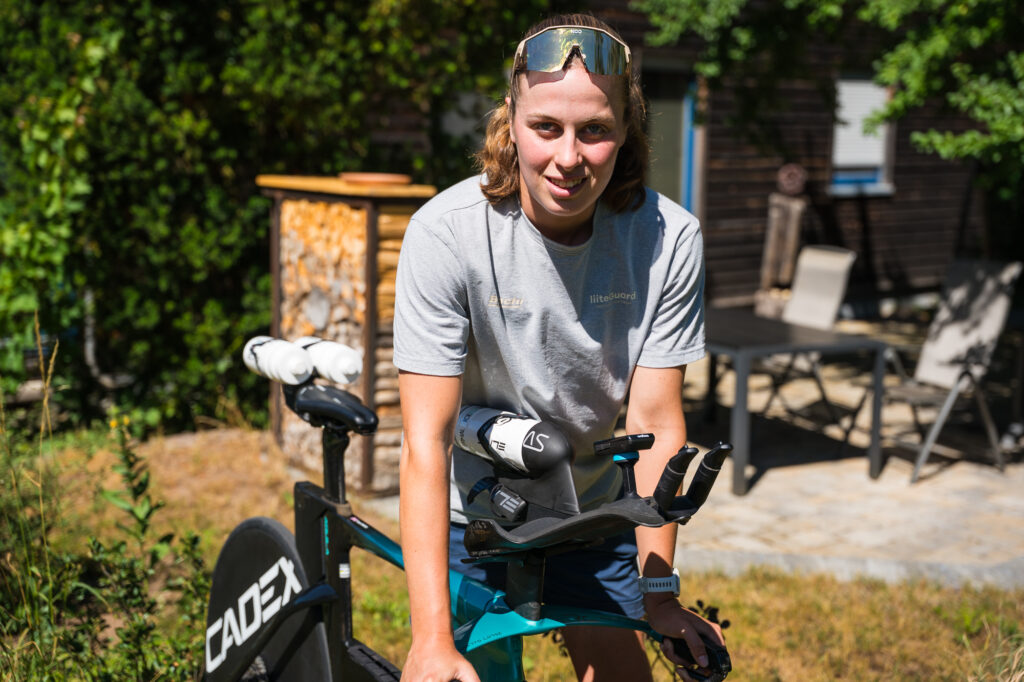
Daisy Davies’ Bianchi Aquila
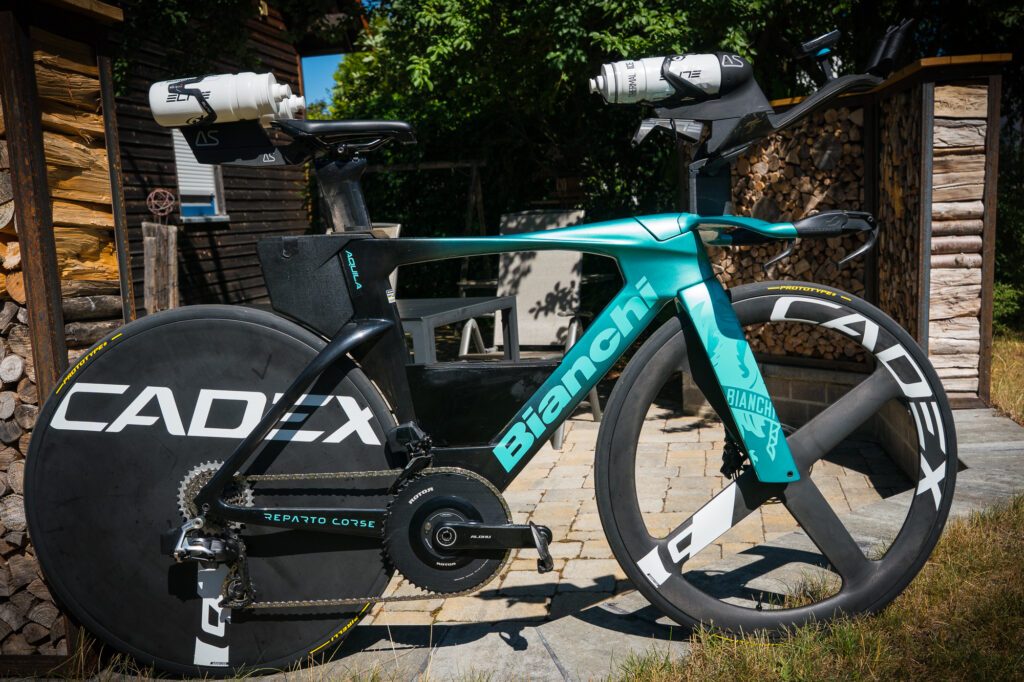
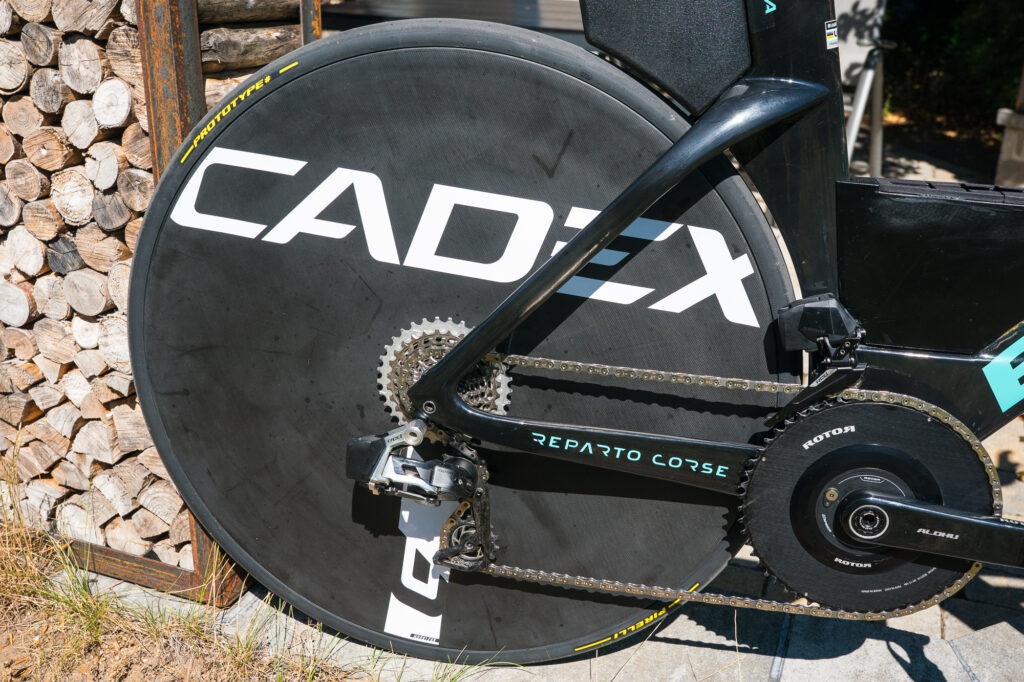
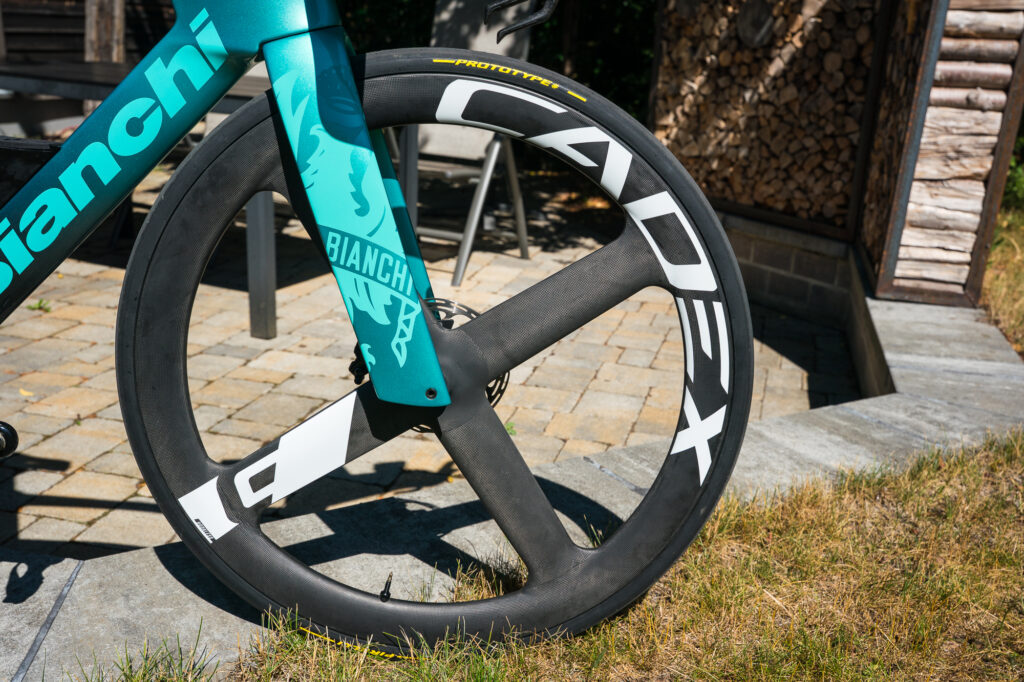
A Cadex Four-Spoke and Disc provide a speedy wheel set. Those are armed with Pirelli P Zero Race TLR SL-R tires.
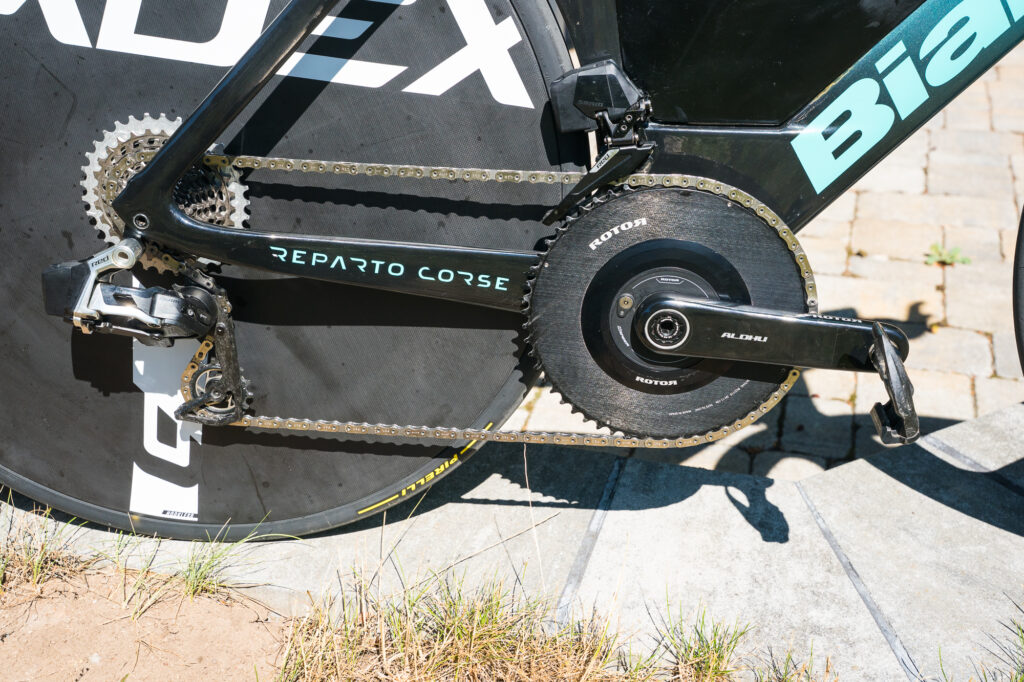
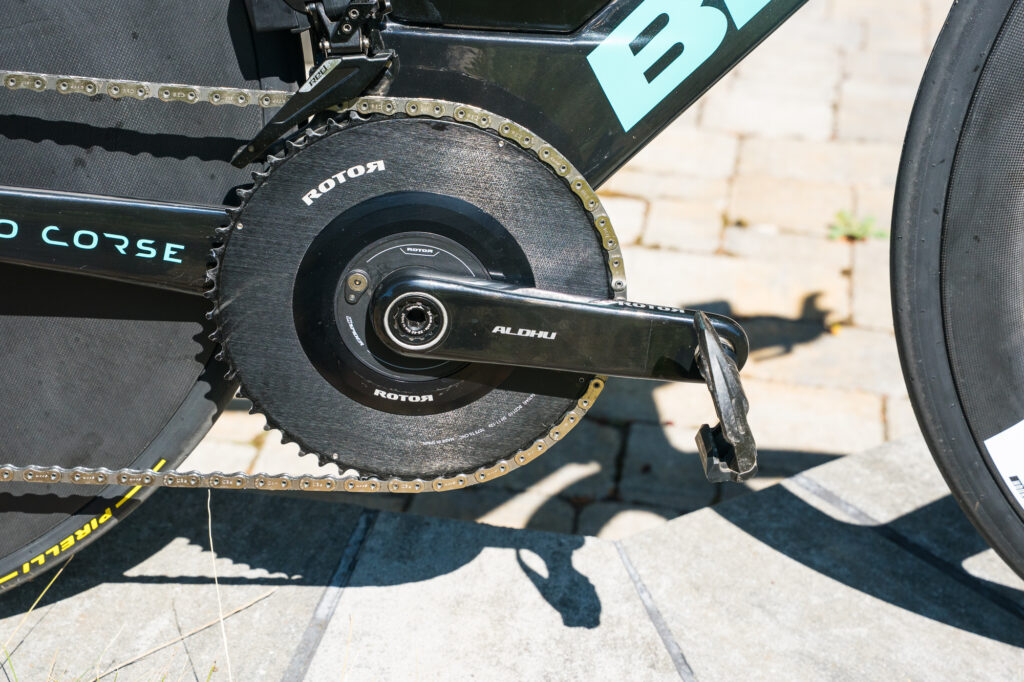
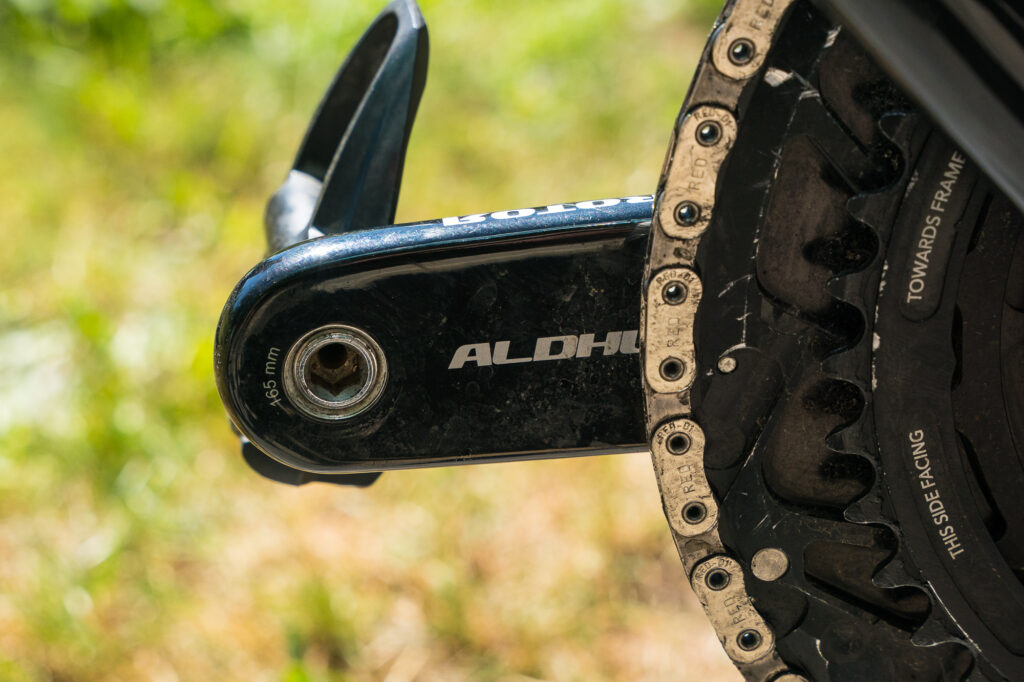
The SRAM Red derailleurs combine with a Rotor PowerMeter and chainrings with Rotor Aldhu cranks. Davies rides 165 cranks and 56/44 chainrings, with a 10-33 cassette. She rides Shimano pedals.
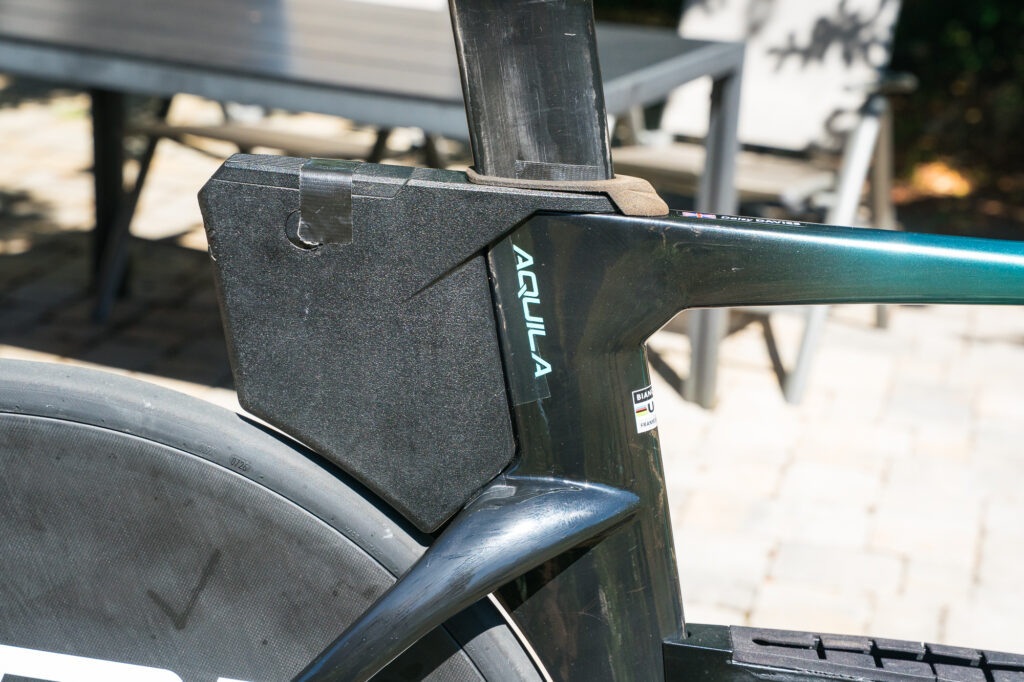
The Aquila offers rear storage for tools.
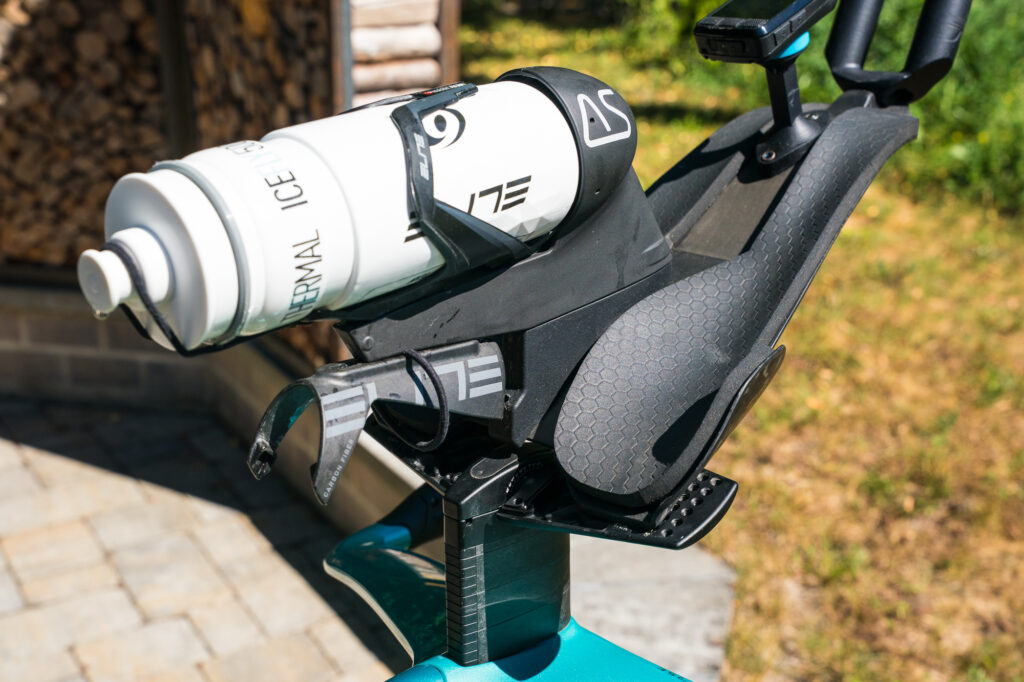
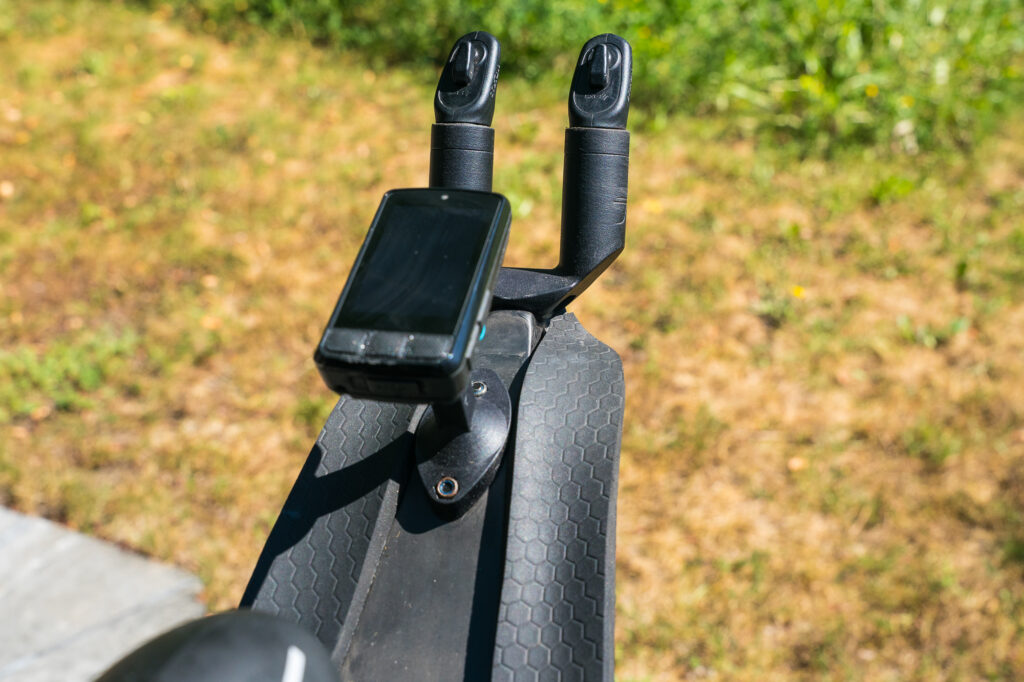
The Tetsuo aero bars combine with an Absolute Speed front hydration system, while Davies keeps track of her data with a Wahoo Bolt computer.
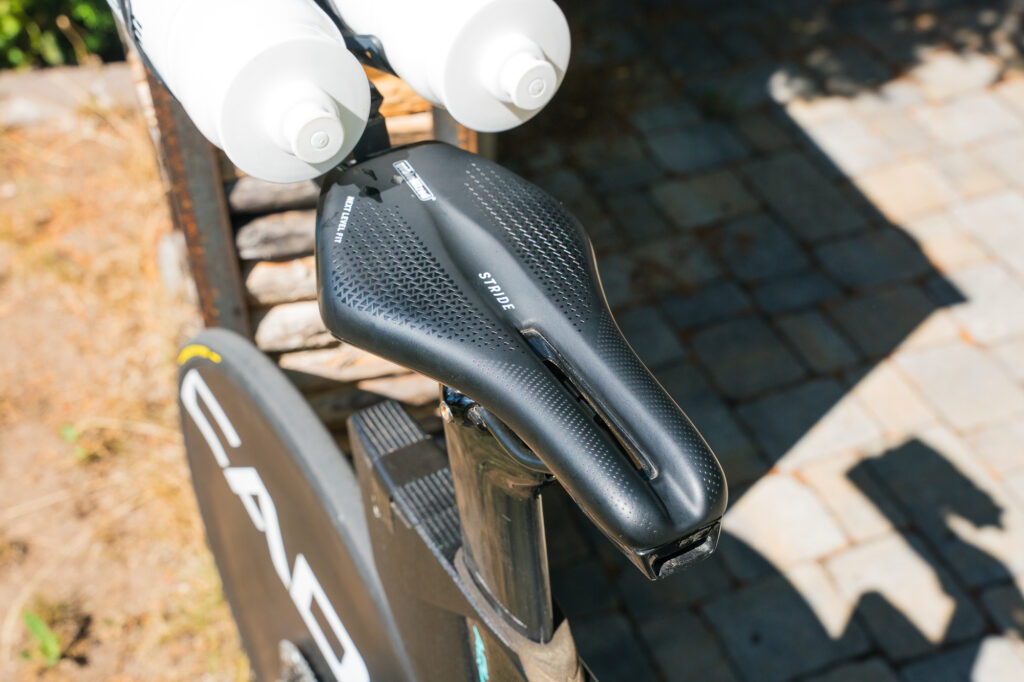
A Gebiomized Stride saddle and a couple of rear-mounted water bottles complete her race-day gear.